

Genova, 23rd September 2025 - The COST Action IMPROVE successfully held its next 3Rs centres Workshop at the Università degli Studi di Genova, Dipartimento Architettura e Design (DAD), gathering leading researchers and stakeholders from across Europe.
Over two days from 17th to 18th of September, participants engaged in collaborative sessions focused on the 3Rs (Replacement, Reduction, and Refinement) and the role and future activities within the 3Rs centre network EU3Rnet.
The workshop opened with remarks from Arti Ahluwalia and Winfried Neuhaus, followed by updates on the Memorandum of Understanding and the Balkan Regional 3R Centre.
Attendees took part in discussions on communication, funding, and sustainability, and enjoyed valuable networking opportunities, including a group dinner in the heart of Genova. The second day featured sessions on the organisation and management of EU3Rnet, short pitches on emerging topics, and the formation of new working groups to address key challenges in the field.
The hybrid format allowed both in-person (about 40) and online participation, ensuring broad engagement and collaboration.
This event was held together with the Next Gen3Ration Research meeting of the Italian 3R centre (Centro 3R; https://www.centro3r.it/it/events/next-gen3ration-research) from 18th to 19th of September.
A heartfelt thank you to the organisers of this remarkable event - Elena Grasselli and her team !


Maria Kitsara, presented a poster at FELASA 2025 entitled "IMP3ROVE Animal Research" under the Topic 5 - Aiming for a better future, highlighting the impactful work COST Action IMPROVE - 3Rs concepts to improve the quality of biomedical science (CA21139). This initiative is dedicated to advancing the 3Rs principles—Replacement, Reduction, and Refinement— to elevate the quality and ethical standards of biomedical science.
The presentation showcased:
- the mission and activities of IMPROVE
- the current status of the network in terms of participants
- the key outcomes achieved so far,
This work underscores the importance of responsible research practices and the power of international collaboration in shaping the future of biomedical science

At the session titled “Do I have a choice? Reconciling personal and professional ethics in laboratory animal science training” Augusto Vitale presented a talk called “I am not sure I want to do this…: students’ emotional perspective on animal experiments”.
In this presentation he presented qualitative results form the interviews with 16 students at the istituto Superiore4 di Sanità in Rome. The interviews focused on the potential emotional difficulties encountered with experimental animals, and the way to solve such difficulties. The self-trust in carrying out such procedures in a professional manner was the main factor tu overcome the unpleasentness of the procedures. The sacrifice of animals resulted to be the most critical aspect. The majority of respondants can do it, when they manage to put aside the emotional aspect of killing a living being, and put forward the need for science. The ones who cannot follow this mental process will not sacrifice animals. Related to this, it appeared that one-on-one relationship with a tutor or supervisor was by far preferred to the participation in organised courses.
The crucial factors in addressing by staff members emotional distress in students were: give time and respect; never force anybody to do anything they dont feel like doing; understanding emotional diversity; empathy and dissipation of fears; re-locate tasks within a project.

Augusto Vitale and Anna Olsson jointly organized a session entitled “Do I have a choice? Reconciling personal and professional ethics in laboratory animal science training”.
Session summary:
The use of animals in research is ethically problematic, in particular through the harm that is caused to experimental animals. Much has been invested in addressing the ethical issues on a collective level (e.g. regulations, training, licensing and ethics review).
Much less attention has been given to the moral quandary of animal experimentation in the context of individual ethics. It has been left to each (future) professional in the field (graduate students, researchers, animal technicians, veterinarians) to find their own way of dealing with the ethical and emotional challenges implied in a profession where harming and killing animals is sometimes unavoidable. This can no longer be taken for granted. As teachers and mentors, we increasingly meet early career researchers in training who find themselves in a real quandary as regards their own use of animals in experiments. We argue that it is time to discuss how to best support these future professionals. We believe that the typical research community responses to trainees’ concerns (claiming that they like everyone else need to get used to the practice, or questioning if they are a good fit for the job) are problematic. We will argue that as established practitioners in the laboratory animal science community, we can play a key role in supporting a more constructive discussion about when to use animals and how to use them, hence ultimately contributing to reducing animal suffering.
This session is organized in collaboration with COST Action CA21139 3Rs concepts to improve the quality of biomedical science (IMPROVE)
Session program:
Sonja Rumpel (Germany): Psychological Stress and Strain in Laboratory Animal Professionals
Renelle McGlacken (United Kingdom): Personal Impact of Animal Use: (Tangential) Insights from an interview study with UK researchers/students
Augusto Vitale (Italy): I Am Not Sure I Want to Do It: Emotional Perspective on Animal Experiment
Anna Olsson (Portugal): Who Should Learn to Do Experiments with Animals and How?
At the session titled “A Win-Win Situation for Research Quality and Work Satisfaction: More Involvement of Animal Care Staff” (organised by Fernando Gonzales Uarquin and Paulin Jirkof) Augusto Vitale presented a paper called “The role of technicians in qualitative assessment of animal welfare and the subjective experience”.
In this paper he addressed the role of technicians in the qualitative assessment of animal welfare, particularly in the context of non-human primate research. The presentation underscored that while objective welfare indicators are important, technicians—through their daily interactions and familiarity with individual animals—can provide valuable insights into psychological wellbeing and individual differences. Empathy and mutual trust between staff and animals were highlighted as important factors in welfare assessment. Empathy was also identified as a common and necessary requisite to carry out daily maintenance of animal colonies.
At the FELASA 2025 Congress in Athens, the SkillUp Tech session titled “A Win-Win Situation for Research Quality and Work Satisfaction: More Involvement of Animal Care Staff” brought together professionals from across Europe to discuss the evolving role of animal care staff and technicians in laboratory animal science. The session, chaired by Fernando Gonzalez Uarquin and Paulin Jirkof, focused on the potential benefits and current challenges of increasing the involvement of these staff members in research planning and conduct. A quick on-site survey revealed that a high number of lab technicians and animal care staff participated in the session.

Survey Insights: The current situation of Communication and Involvement
Sophie Schober presented findings from a large-scale, European survey conducted under the COST Action IMPROVE initiative. The survey, which gathered responses from more than 30 countries, revealed several key points:
- Overall, researchers rated communication with other project members as good, but actual discussion about experimental planning with animal care staff occurred infrequently.
- Animal care staff and technicians expressed a clear interest in being more involved in discussions about planning and conducting experiments, as well as in receiving training on experimental planning and protocol development.
- Both researchers and non-scientific staff recognized the value of such involvement for improving research quality
The Importance of Multidirectional Communication
Bettina Bert’s presentation highlighted that while animal experiments are essential for scientific progress, questionable research practices—such as poor planning, selective reporting, and lack of transparency—can undermine both the scientific and ethical value of these studies. Open science practices like preregistration, data sharing, and comprehensive reporting have the potential to address these issues, but successful implementation depends on all participants, including technicians and care staff, understanding the importance of research rigor and transparency. Bettina also presented results from the survey, ensuring the willingness of animal care staff to be involved in scientific discussions and indicating that there is still room to enhance communication and training in these areas together with animal care staff and lab technicians.
Qualitative Assessment of Animal Welfare
Augusto Vitale’s talk addressed the role of technicians in the qualitative assessment of animal welfare, particularly in the context of non-human primate research. The presentation underscored that while objective welfare indicators are important, technicians—through their daily interactions and familiarity with individual animals—can provide valuable insights into psychological wellbeing and individual differences. Empathy and mutual trust between staff and animals were highlighted as important factors in welfare assessment. Empathy was also identified as a common and necessary requisite to carry out daily maintenance of animal colonies
Interactive Discussion and Polling
The session included interactive polls, inviting participants to reflect on their professional background, experiences with compassion fatigue, and views on the involvement of care staff and technicians in experimental planning. The responses indicated a general openness to increased inclusion, particularly when supported by appropriate training and communication structures. It was also discussed that publishers could contribute to this process Lab technicians and animal care staff should be named in the acknowledgement or they should get the possibility to publish their opinions.


The poster dealt with the issues of communication, inclusion, and research culture within laboratory animal science supporting the central message of the session "SkillUp Tech session titled “A Win-Win Situation for Research Quality and Work Satisfaction: More Involvement of Animal Care Staff" involving all staff who contribute to animal research—especially those responsible for daily animal care—can lead to improvements in both animal welfare and research quality. Therefore, attention must be paid to training needs and implementation.


The 30th of May 2025 began with the 5th Management Committee Meeting of the COST Action IMPROVE network, chaired by Winfried Neuhaus. This key session brought together representatives from participating countries to review the progress of the Action, evaluate ongoing activities, and align on strategic goals for the next phase of implementation.
A major highlight of the meeting was the presence of Dr. Elif Doğan-Arslan, Science Officer at the COST Association, who delivered an insightful presentation on the latest developments in COST funding mechanisms, tools, and support schemes. Dr. Doğan-Arslan also shared updates on the current status of the IMPROVE network, highlighting key milestones achieved since its launch and offering recommendations for enhancing effectiveness in upcoming activities.

The afternoon was dedicated to the Working Group on Dissemination, led by the host Dr. Maria Kitsara. The meeting served as a pivotal moment for the network’s outreach and communication strategy, beginning with a comprehensive report on the group’s recent activities and achievements.

A key focus of the session was the development of the upcoming dissemination plan, aimed at broadening the visibility of 3Rs principles across the biomedical research community, policy stakeholders, and the public. Participants engaged in in-depth discussions on existing and emerging communication channels, including social media strategies. The session stood out for its highly interactive and collaborative atmosphere, encouraging active participation from both in-person and remote attendees. A dynamic brainstorming segment sparked numerous innovative ideas, particularly around making science communication more inclusive, engaging, and accessible. Emphasis was placed on tailoring content for diverse audiences, using visual storytelling and leveraging short-form videos. This forward-thinking dialogue set a strong foundation for WG3’s continued efforts to amplify the message of the 3Rs and ensure its principles are communicated effectively and widely across Europe and beyond.


On the 20th of May 2025 at Norecopa's 18th Annual Meeting Winfried Neuhaus was invited to give a talk on "The rise of 3Rs centres in Europe and their role in the development of the field of 3Rs". He provided an overview about the rise of the 3Rs centres in the last decades linked to the implementation of EU Directive 2010/63 EU, the current developments in the 3Rs field including several policy initiatives and the COST Action IMPROVE.

Thriving during your career as a researcher? YES - and it can be learned!
On April 29, 2025, Dr. Felisa Berenguer, Training and Career Development Officer at ABG - Association Bernard Gregory, led the interactive online seminar “Successfully Navigating Your Research Career.” The event was organized by the YRI (Young researcher and innovators) and Mentorship Committees of the European COST Action IMPROVE, bringing together early career researchers from across disciplines and countries.
During the 1.5-hour session, Dr. Berenguer shared practical tools, actionable strategies, and insightful perspectives to help researchers maximize their professional potential while safeguarding their well-being. The seminar adopted a panoramic approach, addressing key aspects of a successful research journey:
- Time Management & Planning Tools: Participants learned how to organize their projects efficiently, anticipate necessary actions, and plan ahead to meet deadlines without unnecessary stress.
- Effective Communication Strategies: The session explored ways to communicate assertively, formulate clear requests, and navigate professional environments with confidence.
- Recognizing Early Warning Signs: Dr. Berenguer highlighted the importance of self-awareness, teaching attendees how to detect early signs of stress or disengagement and take proactive steps to maintain mental health.

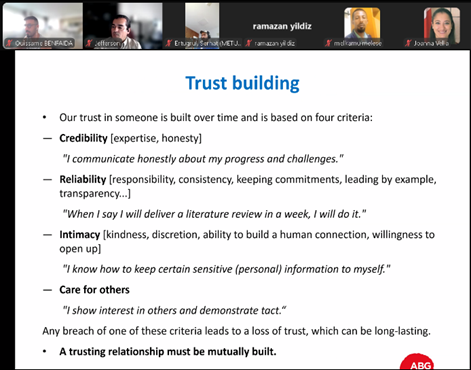
The webinar was designed to be highly interactive, encouraging participants to engage and reflect on their own experiences. The session’s inclusive format ensured accessibility for researchers from diverse backgrounds, including those from Inclusiveness Target Countries (ITCs).
Through this initiative, ABG - Association Bernard Gregory reaffirmed its long-standing commitment to supporting early career researchers with resources that help them care for themselves, pursue their ambitions, and build sustainable, fulfilling career paths.
Key Takeaways:
- Research careers are marathons, not sprints - good project management, communication, and self-care are essential for long-term success.
- Practical tools and strategies can help researchers navigate challenges and maintain well-being.
- Professional development is a continuous journey, and support networks like ABG and COST IMPROVE are here to help every step of the way.
For more information about ABG’s career development resources, visit www.abg.asso.fr
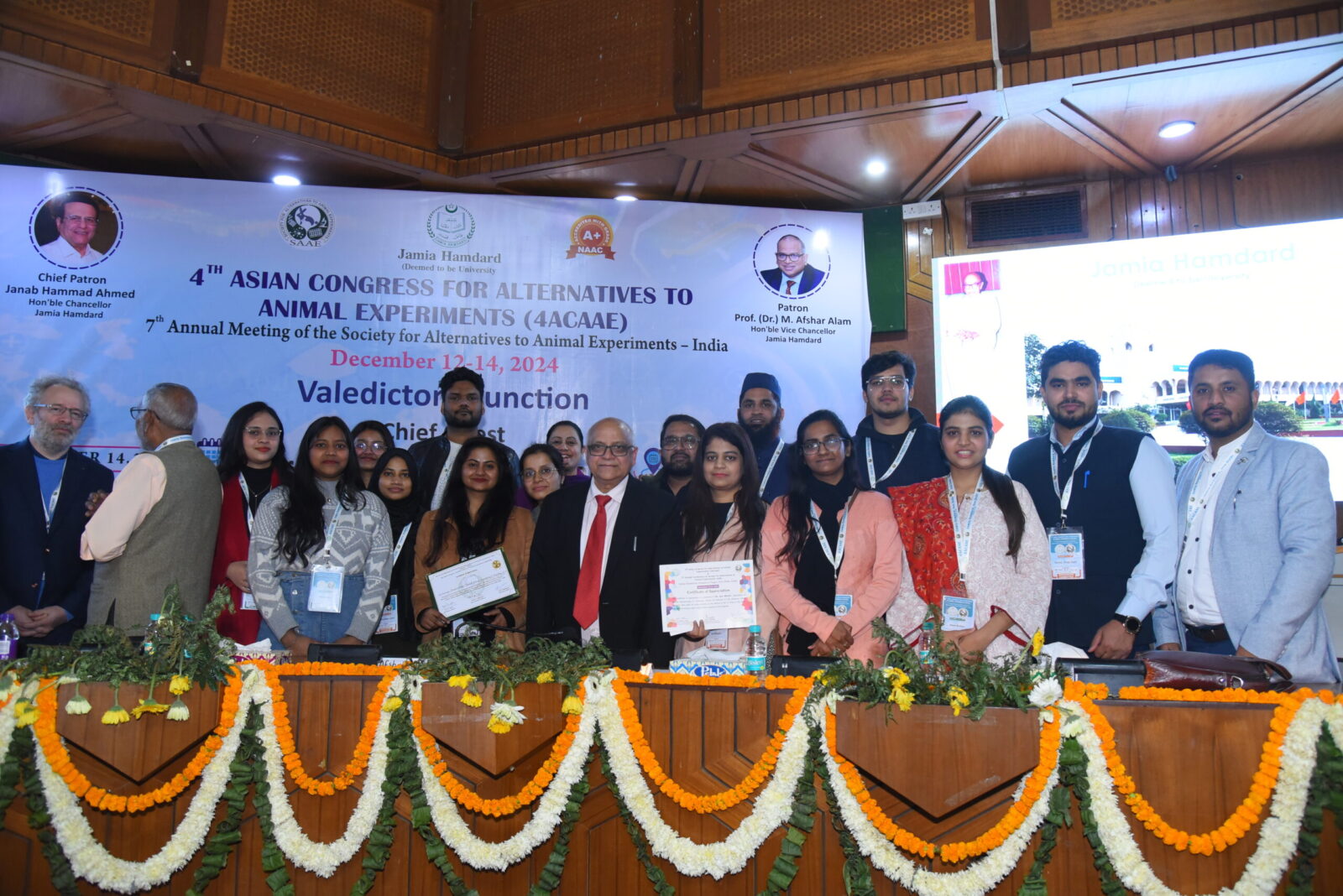
The 4th Asian Congress for Alternatives to Animal Experiments (4ACAAE) and 7th Annual Meeting of the Society for Alternatives to Animal Experiments India (SAAE-I) took place in Jamia Hamdard, New Delhi, India from 12.12.-14.12.2024 (www.jamiahamdard.ac.in/4ACAAE) under the leadership of Prof. Dr. Y.J. Gupta and the Local Organizing Committee (LOC), led by Prof. Seikh Raisuddin (Organizing Secretary) supported by Prof. H.A. Khan, Prof. Suhel Parvez, Dr. Nidhi and many more wonderful people from his team.
Winfried Neuhaus was invited to the congress and gave a talk in the international session entitled “Overview about recent European 3Rs activities with a focus on 3Rs centres”, in which he took a closer look at current European developments in the 3Rs field with respect to the EC roadmap of phasing out animal studies and the response dynamics from several stakeholders, and the activities of EU3Rnet (network of European 3R centres) and the COST Action IMPROVE.
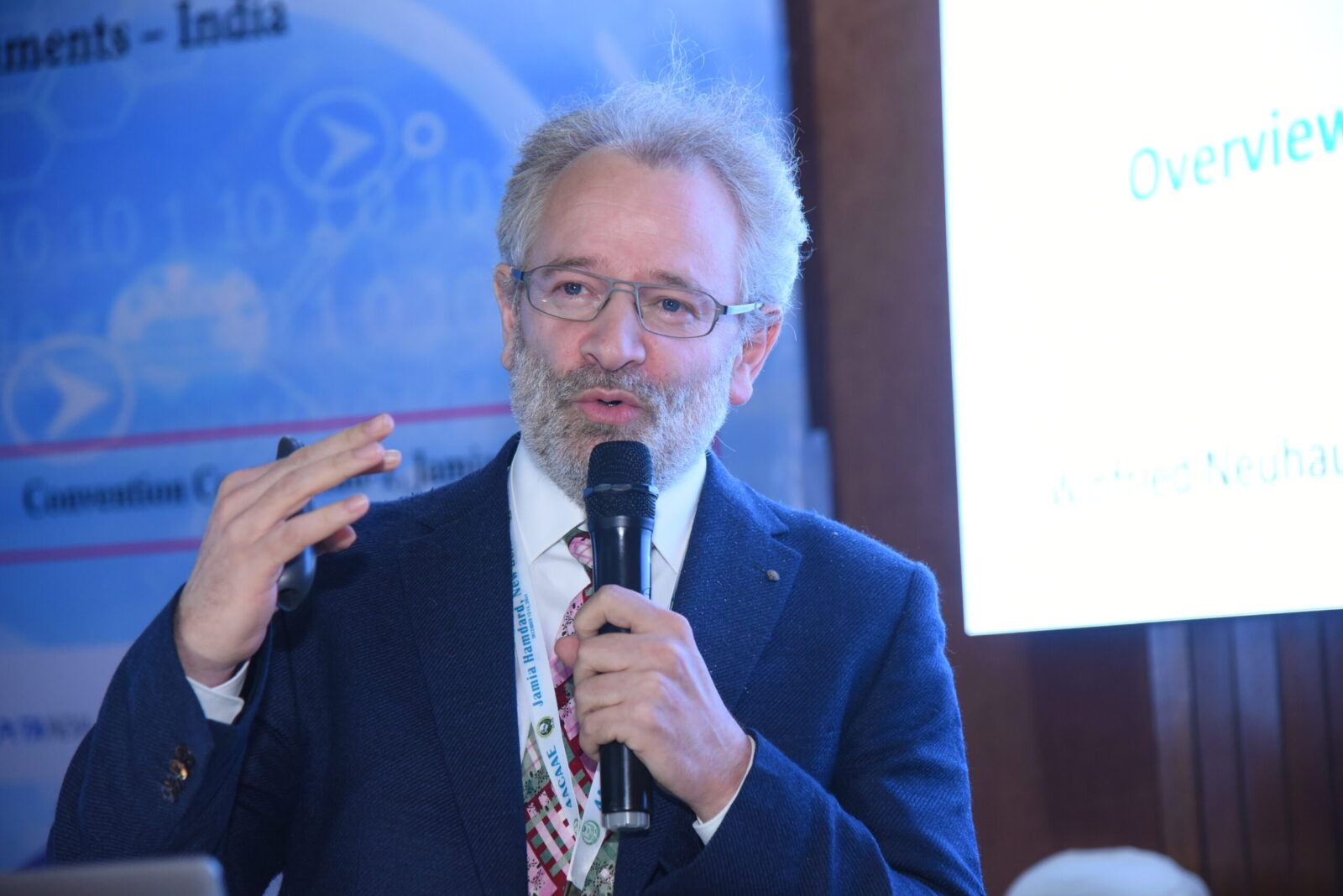
Introduction and Updates of the COST Action IMPROVE; Talk of W. Neuhaus at the SGV 2024 in Lausanne, Switzerland (26.-27.2024). Link to the event: SGV Meeting 2024
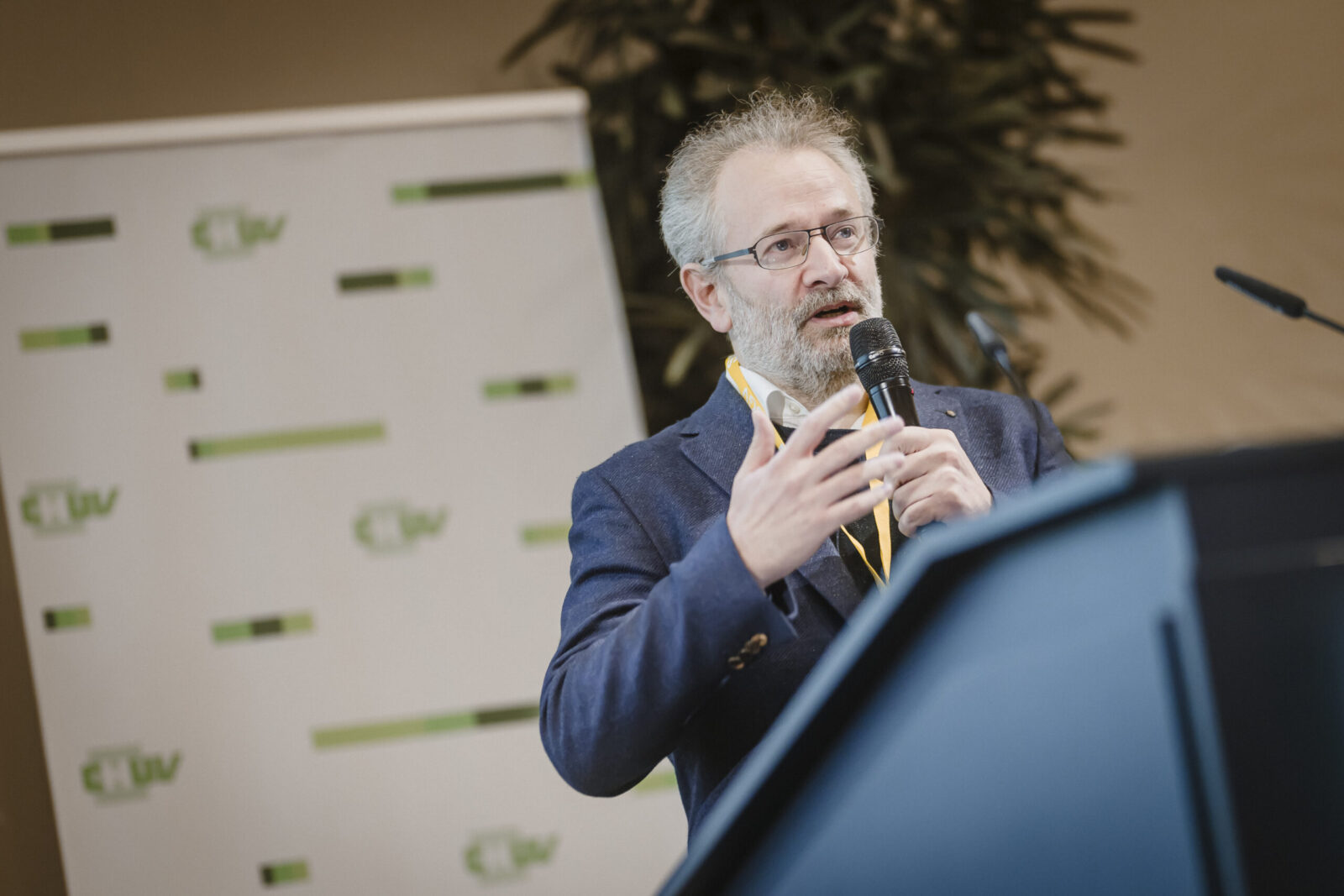
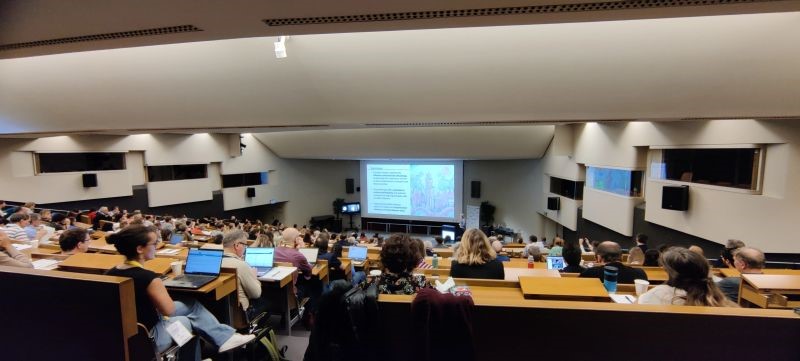
SGV 2024, CHUV, Lausanne. (© Vootele Voikar)
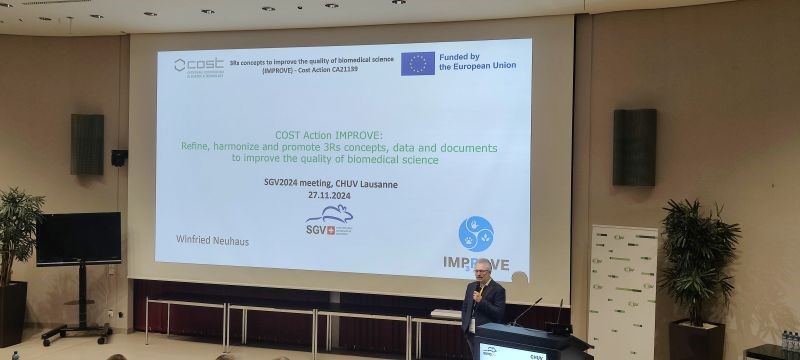
W.Neuhaus, SGV 2024, 27.11.2024, CHUV, Lausanne. (© Vootele Voikar)

W.Neuhaus, SGV 2024, 27.11.2024, CHUV, Lausanne. (© Vootele Voikar)
A report about the COST Action IMPROVE was issued on the website of the German 3Rs Network "Bundesnetzwerk-3R.de". The report can be found via following link:
In addition to the description of the COST Action project IMPROVE, Action chair Winfried Neuhaus answers three questions. The article is written in German language.
Introduction and Updates of the activities of EU3Rnet including an introduction of the COST Action IMPROVE; Talk of W. Neuhaus at the Animalfree Research Forum (Forum - Animalfree Research) in Zurich, Switzerland (11.11.2024).

A summary video of the event could be found via this link: Animalfree Research forum 2024
The three pages long report (p7-9) from Prof. Yesim Isil Ulman introduced the CA21139 IMPROVE together with the Istanbul Workshop of its Ethics X-over Working Group in the September 2024 Newsletter of the EACME (Home | European Association of Centres of Medical Ethics).

Networking event "How to organise and respond to pressure to phase out animal experimentation in neuroscience" during the FENS 2024 congress, the biggest Neuroscience congress in Europe with over 8000 participants (FENS Forum 2024 | International Neuroscience Conference), in Vienna, Austria on
A short report could be read on: https://www.linkedin.com/posts/vootele-voikar-2020_fens2024-activity-7212357642264952832-87HR?utm_source=share&utm_medium=member_desktop
Winfried Neuhaus joined the panel for discussion.
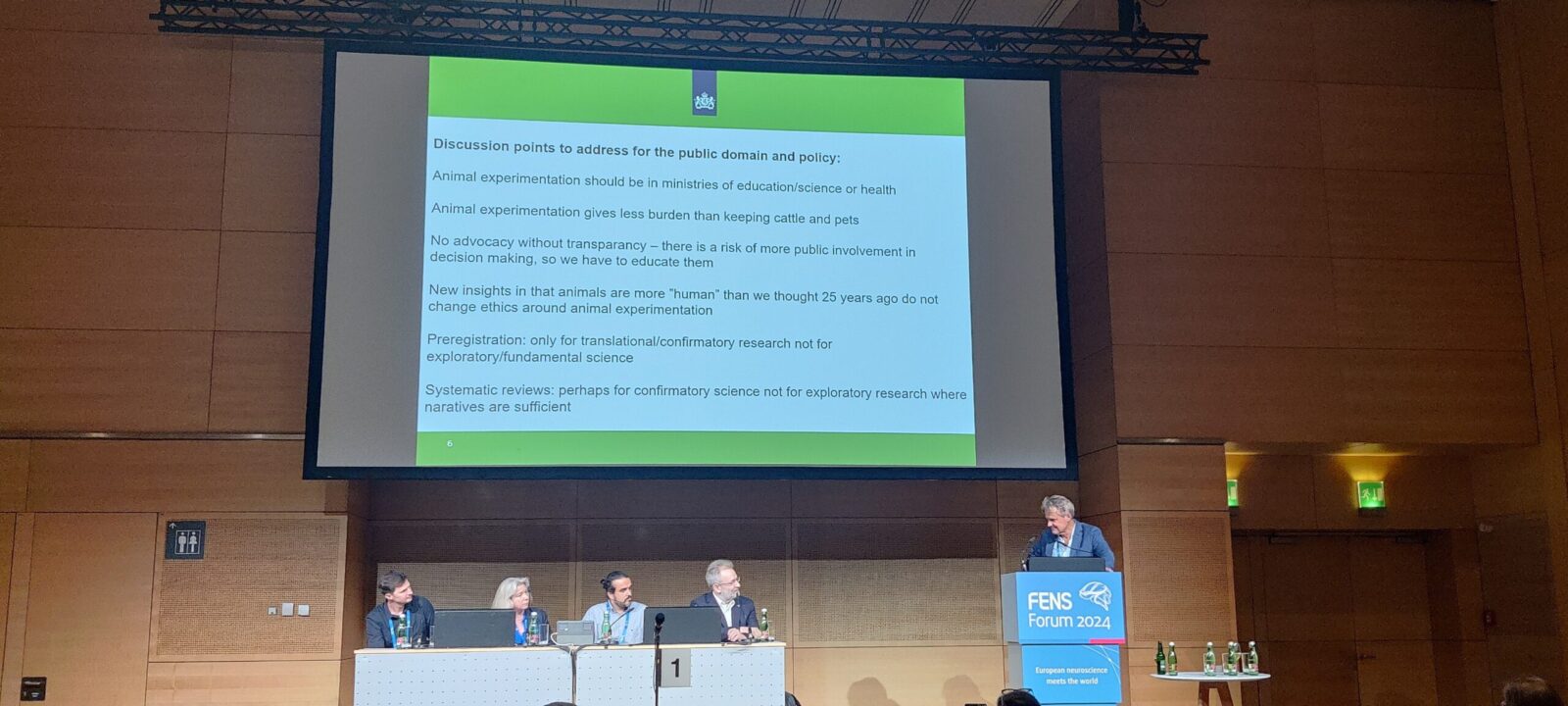
Home take messages from the report above (© Vootele Voikar):
Every scientist using animals is also a Lab Animal Scientist - these two disciplines need more dialogue and work together .
Every scientist should be ready to present and explain their work publicly.
Every scientist should use the best model available for a given question.
There is no simple messages or easy answers, communication depends also on target groups.
Only robust and rigorous science is defendable - open science, preregistration, systematic reviews etc to increase transparency and reproducibility, also for exploratory research.
Avoid polarization, opposing "us" (know) and "they" (don't know).
Thanks for organising it, hope we all learn continuously how to be better scientists, the society needs us!
The COST Action IMPROVE has introduced itself at the Symposium on "3Rs and NAMs: all-inclusive?" in Utrecht, The Netherlands on the 19th of June 2024 (The 3Rs and NAMs: all-inclusive? - News & Events - Utrecht University).
See also following link: https://www.linkedin.com/posts/vootele-voikar-2020_3rs-3rs-activity-7209250078639718400-J2o9?utm_source=share&utm_medium=member_desktop
One session featuring leaders of the IMPROVE - 3Rs concepts to improve the quality of biomedical science (CA21139) - Winfried Neuhaus / Nuno Henrique Franco / Jeffrey Bajramovic , talking about sustainability of 3Rs and how this concept is covering good science with best methods available, also the role of increasing number of 3R Centers in Europe.

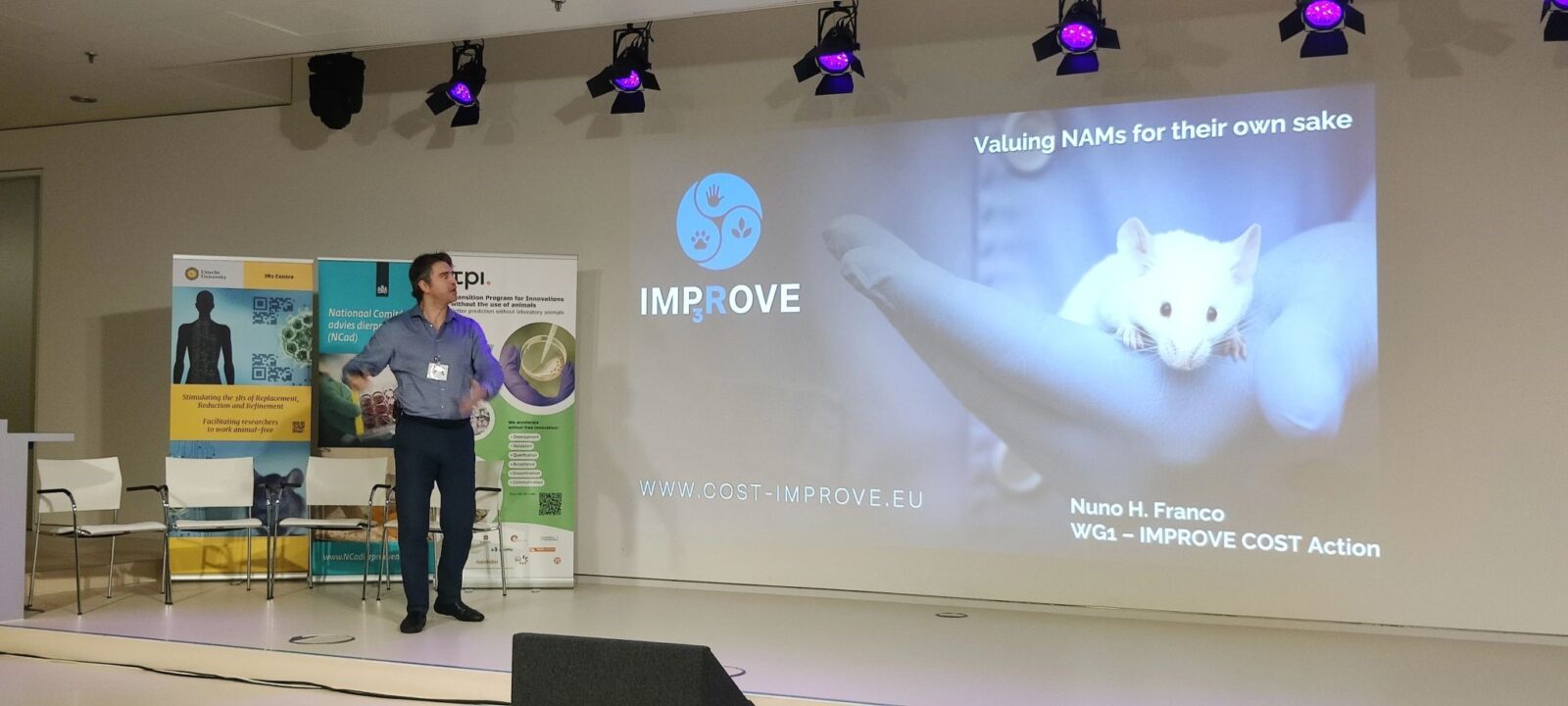
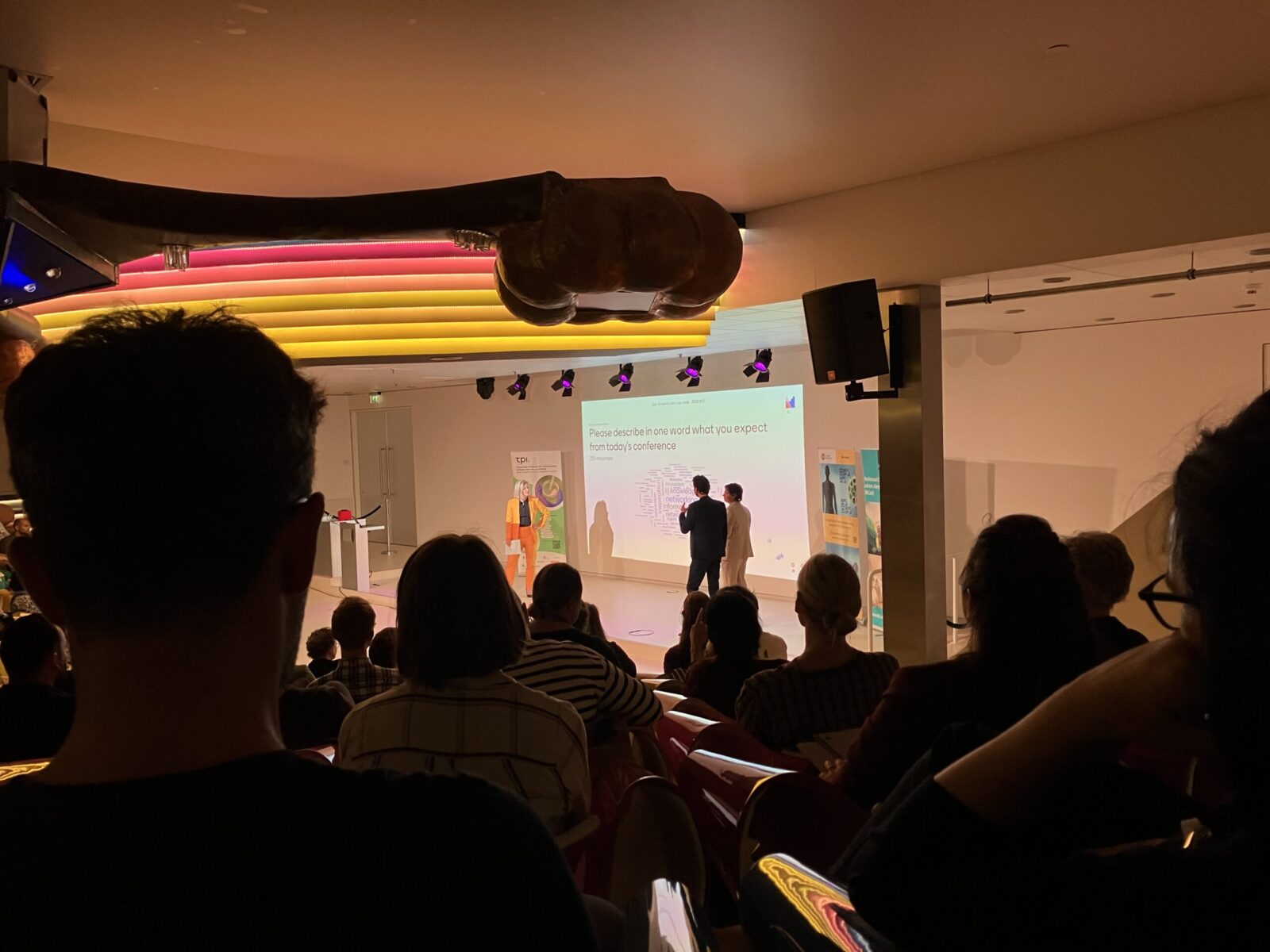
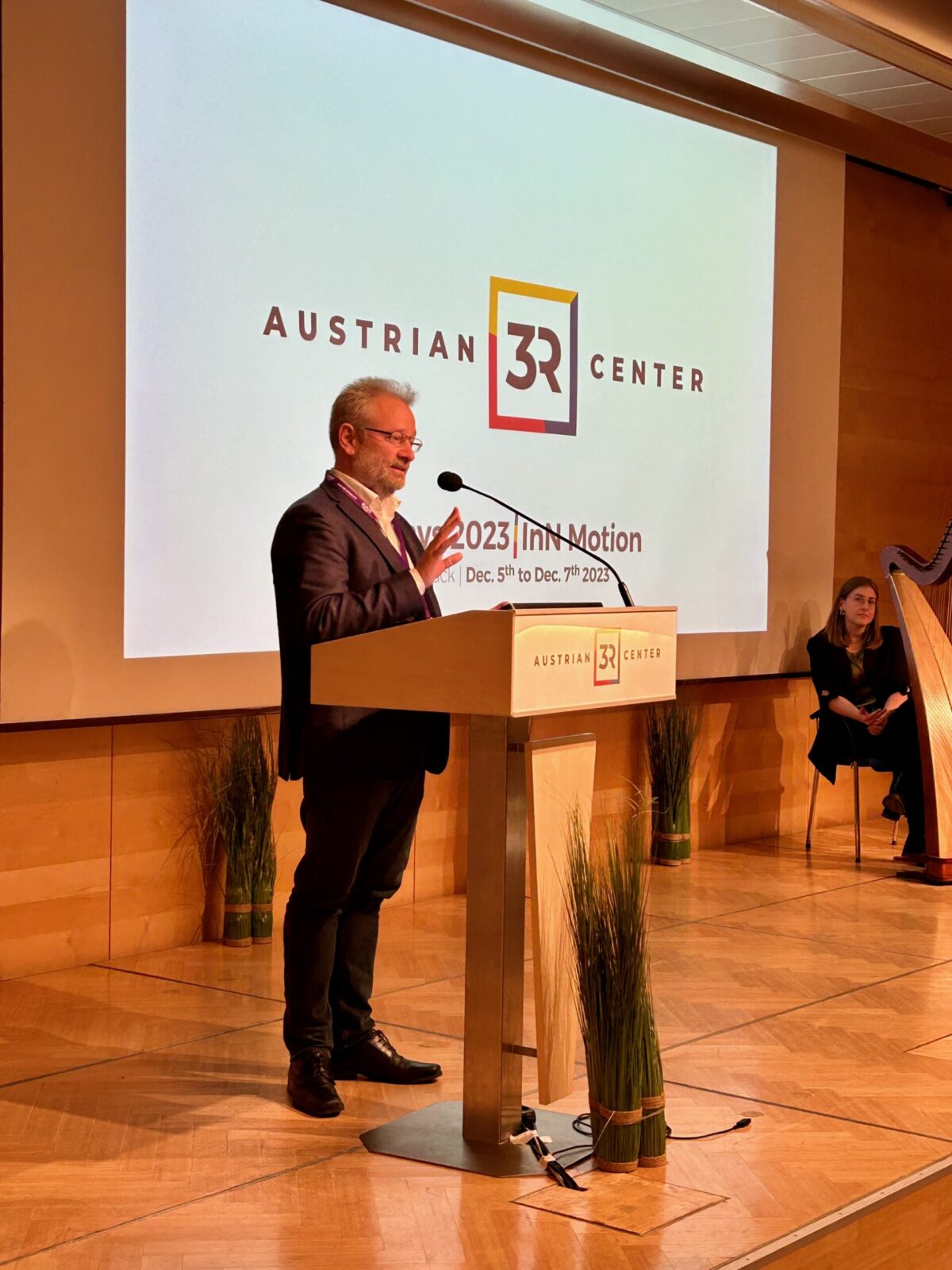
Photo: Wilfried Posch
Winfried Neuhaus introduced the COST Action IMPROVE by giving a talk entitled "The COST Action Networking Activity IMPROVE" at the Austrian 3Rs Days in Innsbruck, Austria on 6.12.2023. The Austrian 3Rs Days from 5.-7.12.2023 was attended by about 200 international participants, who discussed novel methods and measures of each single R of the three 3Rs, Replacement, Reduction and Refinement of animal experiments.
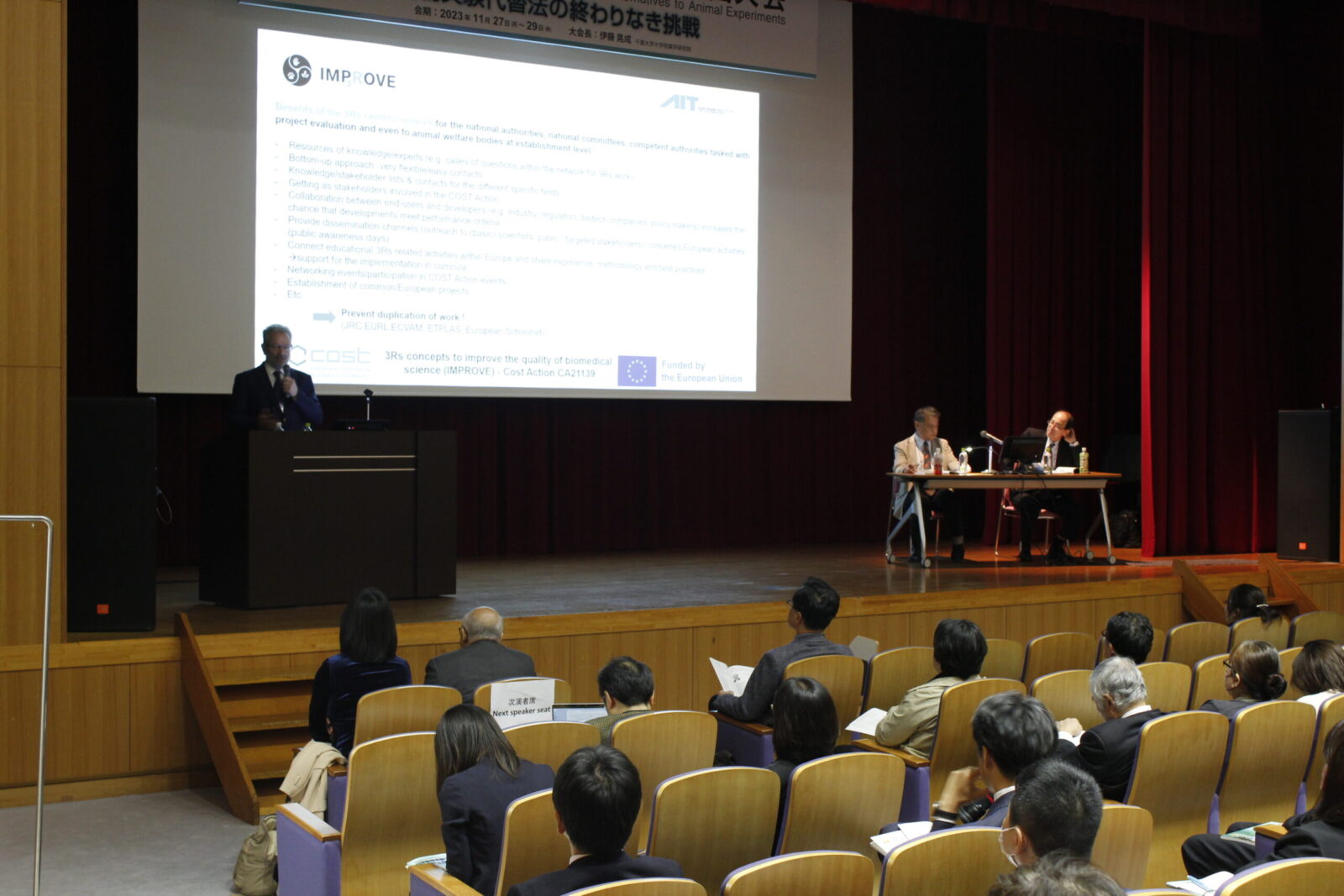
Photo: JSAAE
The first large Training school with a focus on Dissemination took place at Università degli Studi di Milano in Milan (Italy) with expert trainers and trainees from 13th-15th of September 2023, directly before the Centro 3Rs meeting. The in total about 30 in-person and online participants attended courses on “Theory of Science Communication”, “Theory and Software for Video-Making”, Video Ideas and Analysis”, “Social Media”, “Use of Social media Channels”, “GDPR in Communication”, “Newsletters” and “Twitter Bio”. The Training school was very successful offering new knowledge and techniques which could be leveraged for the COST Action itself or for the different tasks in the daily life of the participants.

Photo: Arti Ahluwalia

Thanks to dissemination conference grants under Cost Action IMPROVE Arti Ahluwalia and Winfried Neuhaus attended the 12th World Congress on Alternatives and Animal Use in the Life Sciences (WC12) from August 27-31, 2023.
Arti Ahluwalia presented two lectures, one in the Symposium “Future of Multi-Scale Modelling and Simulation in Disease and Toxicology” (Title of the talk: Lab on a laptop: beyond the experimental model) and one in the Symposium “Implementing the 3Rs in Education under the theme Next-Gen Education” (Title of the talk: Centro 3R, mainstreaming replacement through pervasive 3R education). The first presentation described some of the virtual models developed in her lab. During her talk she put forward the proposal that in vitro models might be replaced by the “lab on a laptop”. Following the symposium, she was involved in engaging discussions on the value of in-silico models, analysing why they are not widely used and how to render them accessible to enable the implementation of viable and valid alternatives to animal experiments. This is a central theme in IMPROVE. In the second presentation she described the state of knowledge on the 3Rs at Italian universities before and after the Italian Centro 3R’s (www.centr3r.it) campaign of pervasive education at all levels. The results showed how education significantly increases the application of the 3Rs and promotes responsible research linked to WG4 Education of our COST Action.

Winfried Neuhaus gave a talk in the session "A World of 3Rs Centres: Unity in Diversity" entitled "The Rise of European 3Rs centres and their network EU3Rnet" focusing on the promotion of the COST Action IMPROVE as an outcome of the collaboration of the European 3R centres.
The WC12 congress was a dynamic and variegated event, providing a great opportunity to discuss the future of the 3Rs with scientists from all over the world, network with young researchers and leaders in the field, and to showcase Europe’s leadership in this area.

Dr. Maria Kitsara gave a talk about "Micro- and nanoengineered technologies for bio-applications: focus on tissue engineering and regenerative medicine" at the School of Science and Engineering, University of Dundee, Scotland, UK on 9. August 2023. Emphasis was devoted to cardiac disease modelling and regenerative medicine using polymeric materials.